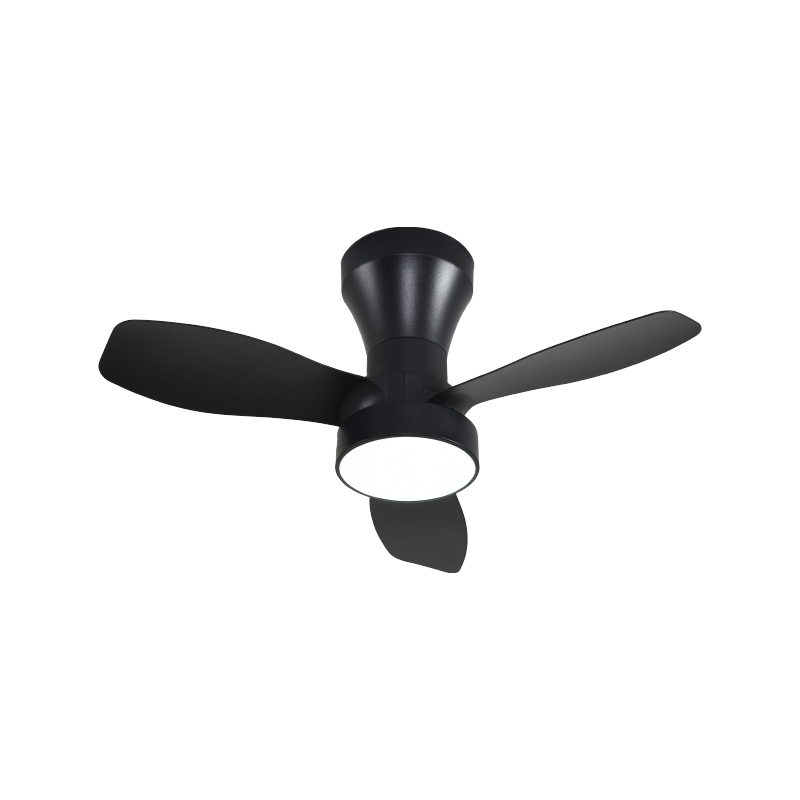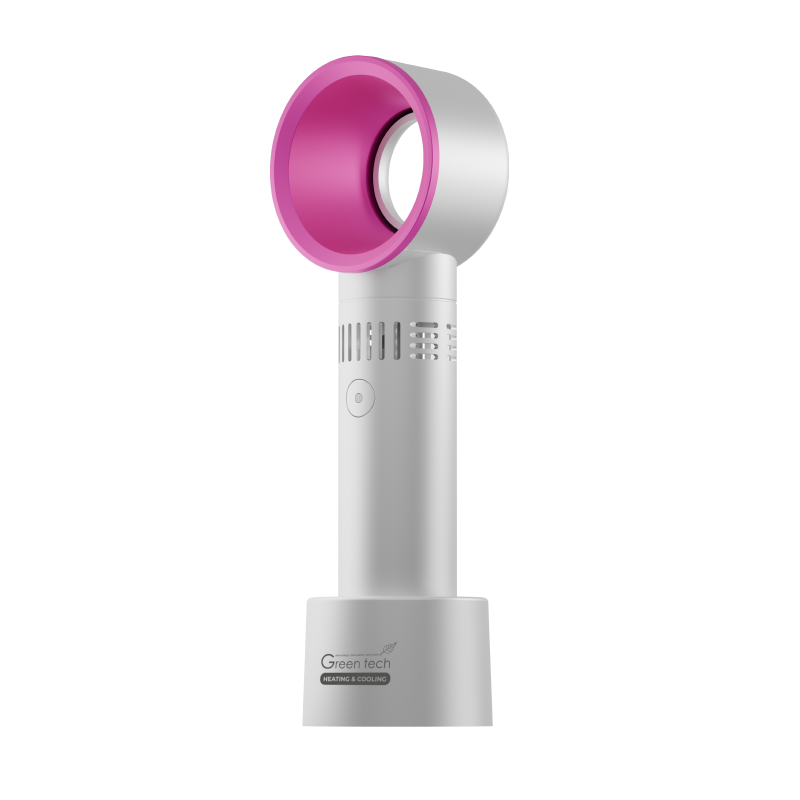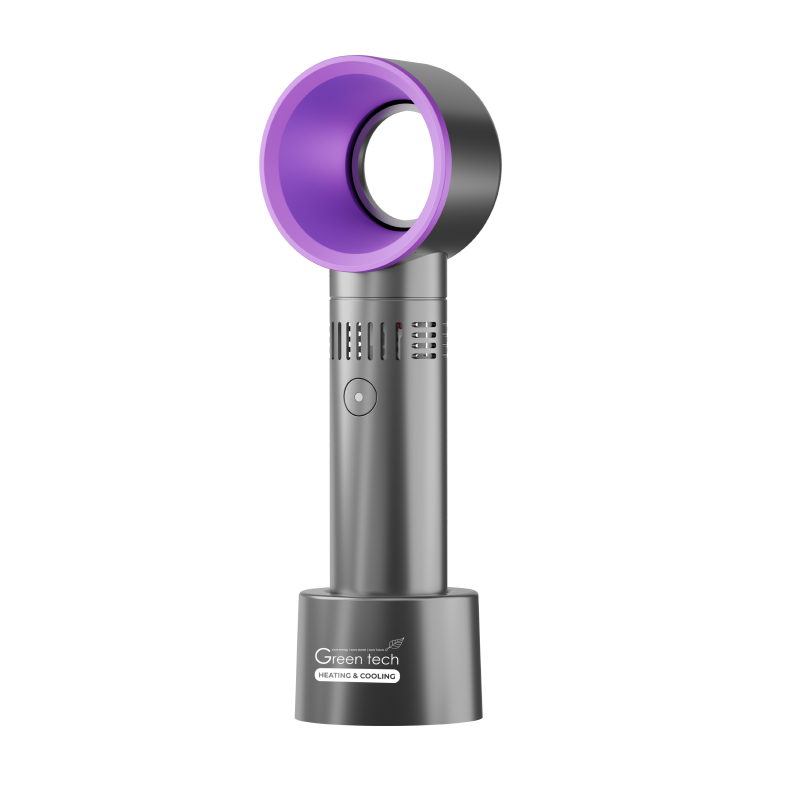
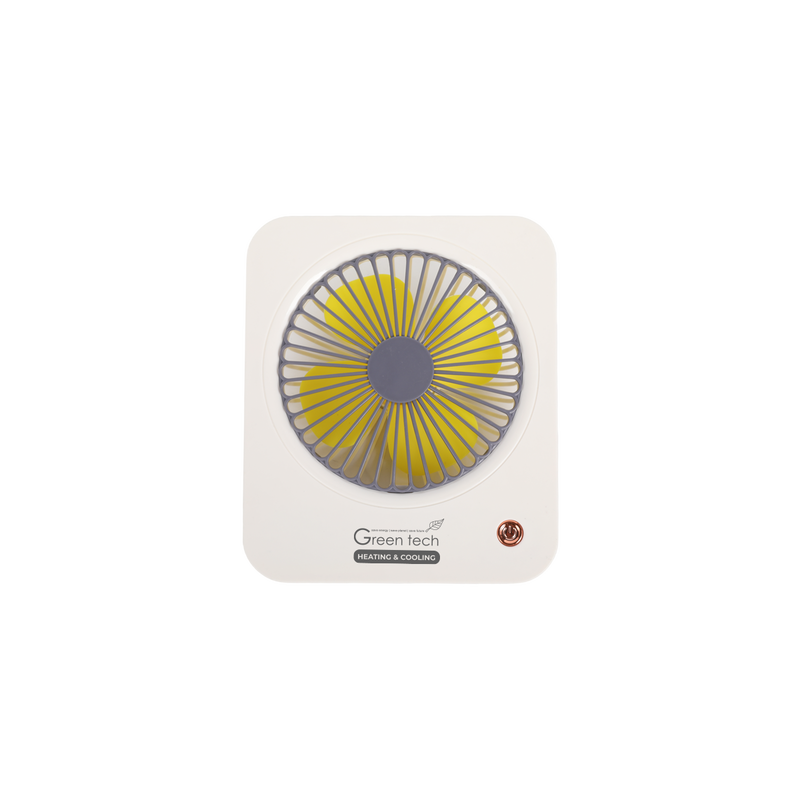
Table fans
Ventilator stolni, 1.5W, bijeli, sa USB punjenjem
- ABS + PP
- 1.5 W
- bijela
ZS50721-3 Learn more
An undersized unit struggles in summer heat and fails to warm you in winter. An oversized one wastes electricity. Learn how to calculate the right AC capacity for every room — with a practical sizing table and BTU estimator.

Pick an air conditioner that's too small for your room and you'll still be sweating in August — and shivering in January. Pick one that's too large and it'll short-cycle, spike your electricity bill, and leave the air feeling damp and clammy. The good news: getting the sizing right doesn't require an engineering degree. You need a tape measure, a few minutes, and the right framework.
This guide walks you through everything that matters when buying an air conditioner — BTU calculation, kW sizing, inverter technology, energy ratings, and heat pump capability — whether you're equipping a bedroom, an open-plan living space, or a commercial property in Bosnia & Herzegovina or the wider region.
BTU stands for British Thermal Unit, a measure of thermal energy. In HVAC terms it describes how much heat a unit can remove from (cooling) or add to (heating) a space per hour. The bigger or hotter or more sun-exposed the room, the more BTU you need.
European spec sheets almost always list capacity in kilowatts (kW) alongside BTU. The conversion is straightforward: 1 kW = 3,412 BTU. Both figures appear in every product listing you'll encounter.
Common capacity brackets on the market:
The table below applies to standard residential and commercial spaces with ceiling heights up to 2.7 m, average insulation, and moderate sun exposure. Adjust for your conditions using the correction factors in the next section.
For spaces over 100 m², contact our team for a multi-split or central system recommendation.
A reliable baseline formula for Balkan continental and Mediterranean climates:
BTU = floor area (m²) × ceiling height (m) × coefficient factor
A factor of 100–150 BTU per cubic metre covers most standard scenarios. In practice:
This is the question we hear most. The short answer: inverter AC is almost always the better choice.
A standard (ON/OFF) unit runs at full power until it hits the target temperature, then switches off completely. The repeated hard starts of the compressor consume more electricity and accelerate wear.
An inverter unit continuously adjusts compressor speed to match the actual thermal load of the room. The result:
Every unit in Green Tech's heating and cooling catalogue features inverter technology as standard.
Since 2021 the EU has used a refreshed energy label scale running from A to G for air conditioners (you'll still encounter the older A/A+/A++/A+++ scale on some products still in circulation).
Higher numbers mean lower running costs:
For B&H conditions — cold winters, hot summers — we recommend at minimum A+ with SCOP ≥ 3.8 if you plan to use the unit for heating as well as cooling.
Modern inverter units with heat pump technology can heat effectively at outdoor temperatures as low as −15 °C or −25 °C (depending on model specification). A SCOP of 3.5 means the unit delivers 3.5 kW of heat for every 1 kW of electricity consumed — far more economical than direct electric resistance heating.
If you're looking at reducing total energy spend across your home or business, pairing efficient air conditioning with LED lighting consistently delivers measurable results — see LED vs. Traditional Lighting: Real Energy Savings for a concrete breakdown.
For larger commercial premises where both lighting and HVAC represent significant cost lines, the principles in Industrial LED Lighting for Warehouses and Halls are directly applicable to a combined energy efficiency review.
Can an air conditioner both heat and cool? Yes — all modern inverter units are reversible heat pumps. The same device that cools in summer heats efficiently in winter, typically delivering 3 to 5 units of heat energy for every unit of electricity consumed.
How much can I save with an inverter AC versus a standard model? In a typical household running a unit 6–8 hours per day across summer and winter, the difference is often 200–400 KM per year in favour of the inverter model, depending on your electricity tariff and usage intensity.
What energy class should I choose? A+ as a minimum for residential use. For commercial settings with 8+ hours of daily operation, A++ or higher pays back the premium purchase price within 2–4 years through lower bills.
One large unit or two smaller ones? Two independently controlled zones (e.g. living room and bedroom) are typically more efficient than one large unit because you only condition the space you're actually using. A multi-split system — one outdoor unit, multiple indoor units — is a practical middle ground.
How many BTU for a 60 m² open-plan space? Based on the sizing table: 18,000 – 24,000 BTU (5.3 – 7.0 kW). If the space receives heavy sun exposure or has ceilings above standard height, move toward the upper end of that range or request a specialist assessment.
Found the right capacity for your space? Browse the full heating and cooling catalogue on Green Tech, or send us an inquiry — our team will match you with the right model and connect you with the nearest partner location in your region. You can also find a partner store near you directly.