Solar floodlights and wall lights
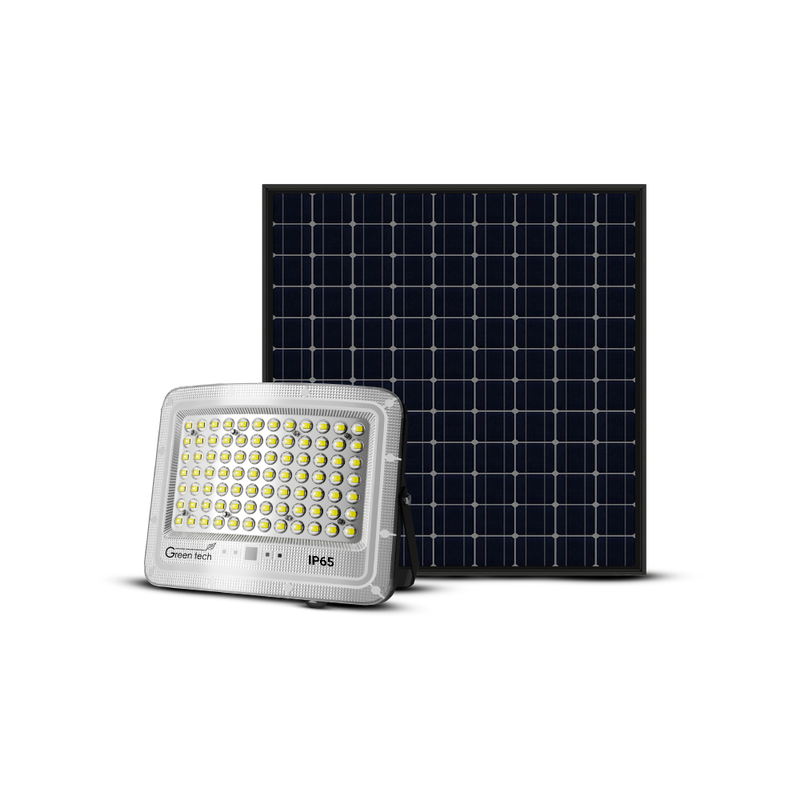
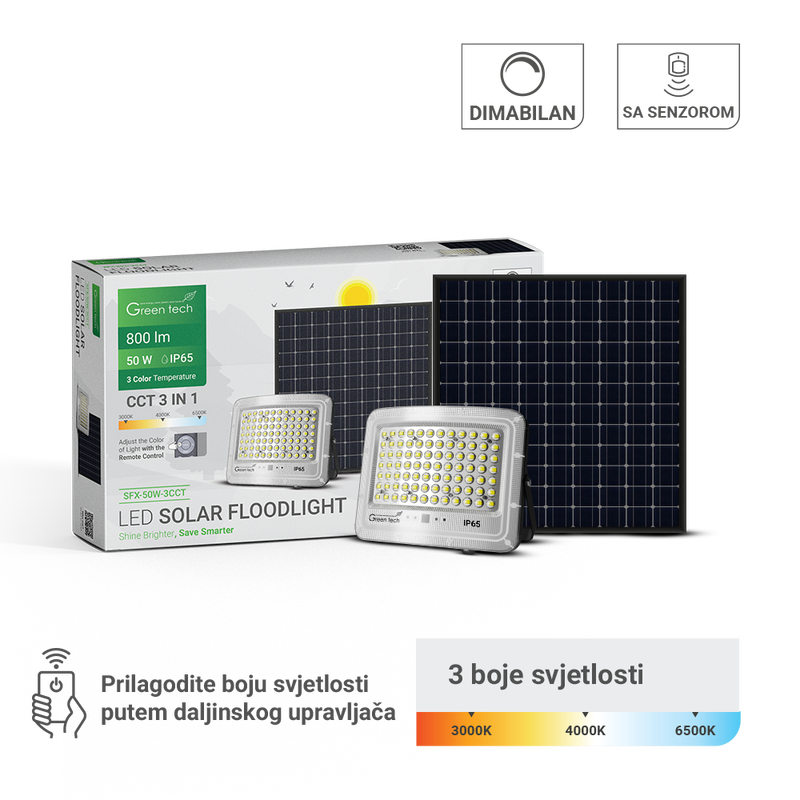
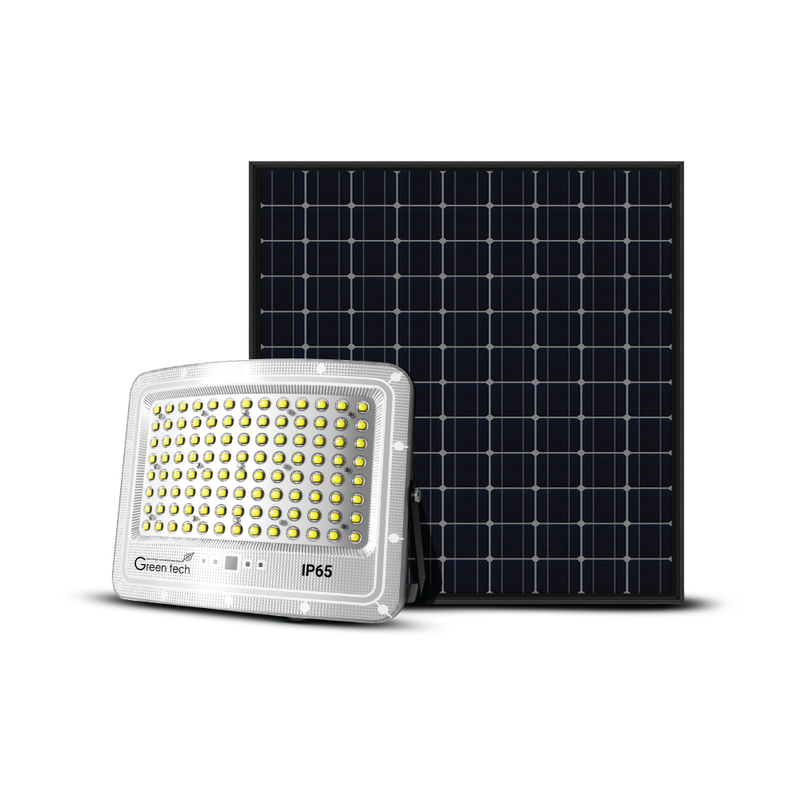
LED solarni reflektor 200W, 3CCT, IP65
- 3000 K - 4000 K - 6500 K
- ABS + PC
- 200 W
SFX-200W-3CCT Learn more
The right industrial LED lighting cuts energy costs by up to 70%, improves worker safety, and meets EN 12464-1 lux standards. Learn how to select high bay fixtures for your warehouse or production hall.
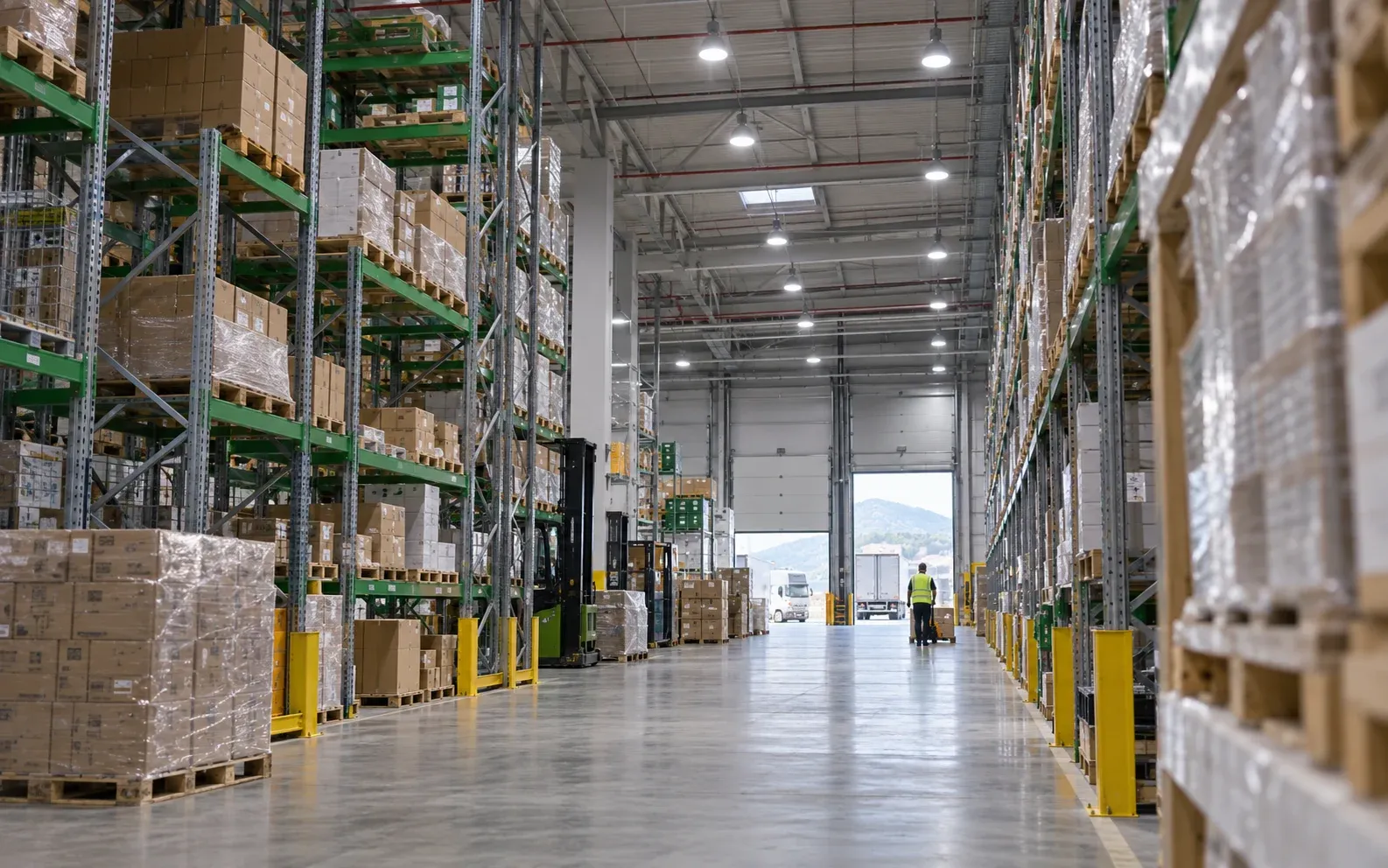
In a warehouse or production hall, lighting is not a background utility — it is an operational tool. Poor lighting drives picking errors, raises injury risk, slows throughput, and causes visual fatigue in shift workers. Well-engineered industrial LED lighting, by contrast, delivers measurable returns: lower electricity bills, reduced maintenance downtime, and a measurably safer, more productive floor.
This guide covers everything you need to make the right specification decision: recommended lux levels by zone, high bay fixture selection, mounting height versus beam angle, protection ratings for harsh environments, and a realistic view of energy savings and payback.
European standard EN 12464-1 defines minimum illuminance requirements for workplaces. These are not suggestions — in professional installations they are treated as hard floors.
Always design with a 20–30% margin above the minimum to account for light depreciation (lumen maintenance) and fixture soiling over the maintenance cycle.
High bay fixtures are engineered for mounting heights of 5 metres and above. Below 5 m, low bay variants with wider beam angles and lower wattage are more appropriate.
A practical wattage and beam-angle guide:
At greater mounting heights, a narrower beam concentrates light where it is needed — on the working plane — rather than dispersing it sideways to walls. Illuminance uniformity (min/avg ratio) should be at least 0.6 per EN 12464-1.
Every kilowatt-hour you pay for should yield maximum lumens. Modern industrial LED high bay fixtures achieve 150–180 lm/W — compared with metal-halide lamps (80–100 lm/W) or high-pressure sodium (100–130 lm/W). That gap translates directly into your electricity bill.
Example: a hall with 40 metal-halide fixtures at 400 W each (16 kW total), replaced by LED high bays at 150 W each (6 kW total) — delivering the same lux on the working plane — saves 10 kW per operating hour. At 4,000 annual operating hours that is 40,000 kWh saved per year.
In dusty, wet, or chemically aggressive environments, enclosure protection is not optional.
For food or pharmaceutical environments, also specify IK08 (impact resistance, 5 J) or IK10 (20 J) to ensure enclosure integrity against accidental mechanical impact from forklifts or equipment.
For industrial applications, 4,000 K (neutral white) or 5,000–6,500 K (cool white) is recommended. Cool white improves contrast for barcode and label reading, and research consistently shows a positive effect on alertness in night-shift workers. Warm white (3,000 K) is not appropriate for working halls.
For general warehousing, CRI ≥ 80 is sufficient. For quality inspection, colour sorting, or finished-goods presentation, specify CRI ≥ 90.
Migrating an industrial facility to LED lighting typically delivers:
ROI on industrial LED projects is typically achieved in 2–4 years. With energy-efficiency grant programmes available in the region, payback periods can be shorter still. To receive a sizing assessment and quotation for your specific facility, find a partner store near you or contact our team directly.
Advanced industrial installations increasingly combine LED sources with controls:
In large facilities (5,000 m2 and above), the addition of occupancy controls can reduce the LED payback period by a full year.
For a detailed cost and performance analysis comparing LED technology against older light sources across the full facility lifecycle, see LED vs. traditional lighting: real energy savings.
If you are also specifying lighting for offices or ancillary spaces within the facility, the How to choose LED lighting for your home guide covers smaller-scale selection principles.
Browse the full range of industrial LED fixtures in the LED lighting section.
If you are an electrical contractor, project manager, or distributor regularly equipping industrial facilities, we would like to talk about a Green Tech partnership. We offer technical pre-sales support, priority catalogue access, and joint go-to-market activity with your end clients.
Under EN 12464-1: a minimum of 150 lux for general aisles and storage areas, 300 lux for picking zones, and 500 lux for packing and quality-control workstations. Always design 20–30% above the minimum to account for light depreciation over the maintenance cycle.
High bay fixtures are specified for mounting heights of 5 m and above, with narrower beam angles (45–90°) to concentrate light on the working plane. Low bay fixtures are used below 5 m, with wider beams and lower wattage. Selecting the wrong category results in either wasted energy (over-illuminated wide beam at low height) or poor uniformity (insufficient intensity at height with a wide-angle low bay).
IP66 certifies complete dust exclusion and protection against powerful directed water jets. In environments where floors and equipment are cleaned with high-pressure hoses, IP65 may be insufficient — pressurised water can penetrate standard gasketing and cause short circuits or premature fixture failure.
Quality industrial LED fixtures carry a rated service life of 50,000 to 100,000 hours. At 4,000 operating hours per year, that is 12–25 years without a lamp replacement. This eliminates one of the largest hidden costs in industrial facilities: the labour, aerial platform hire, and production downtime associated with re-lamping at height.
Yes. In aisles and zones that are not continuously occupied, occupancy sensors can reduce lighting energy consumption by a further 30–40% on top of the LED baseline. Sensor investment typically pays back within 12–18 months and is especially justified in facilities with night shifts or high-bay racking systems where individual aisles are accessed infrequently.