Solar floodlights and wall lights
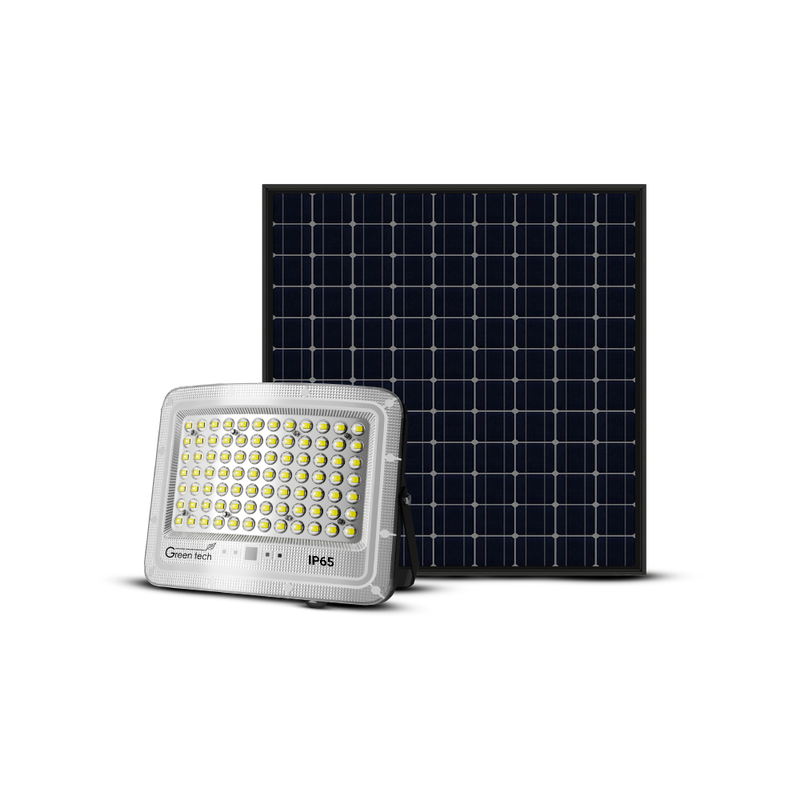
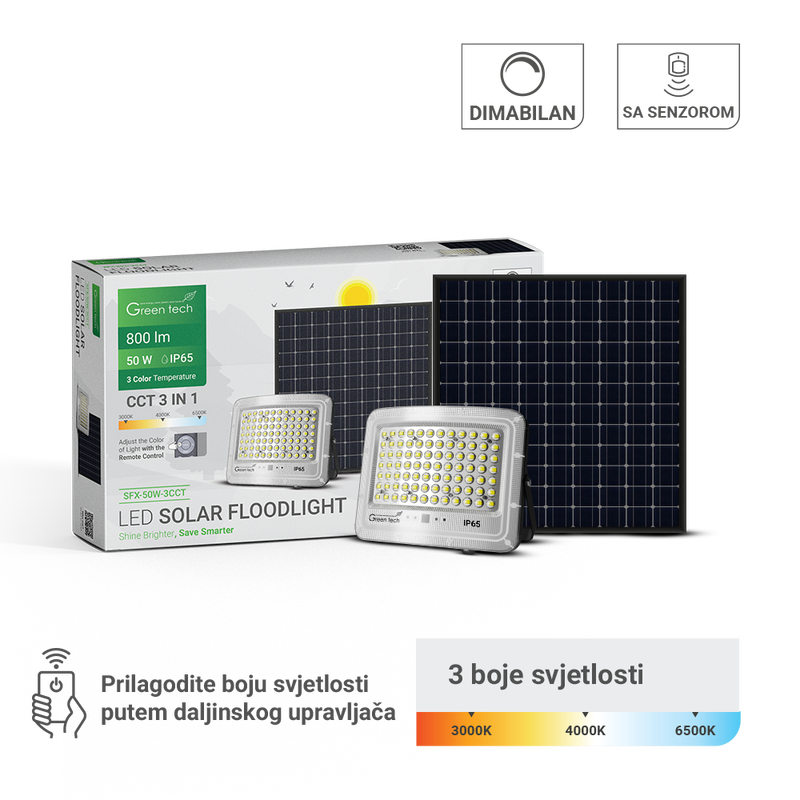
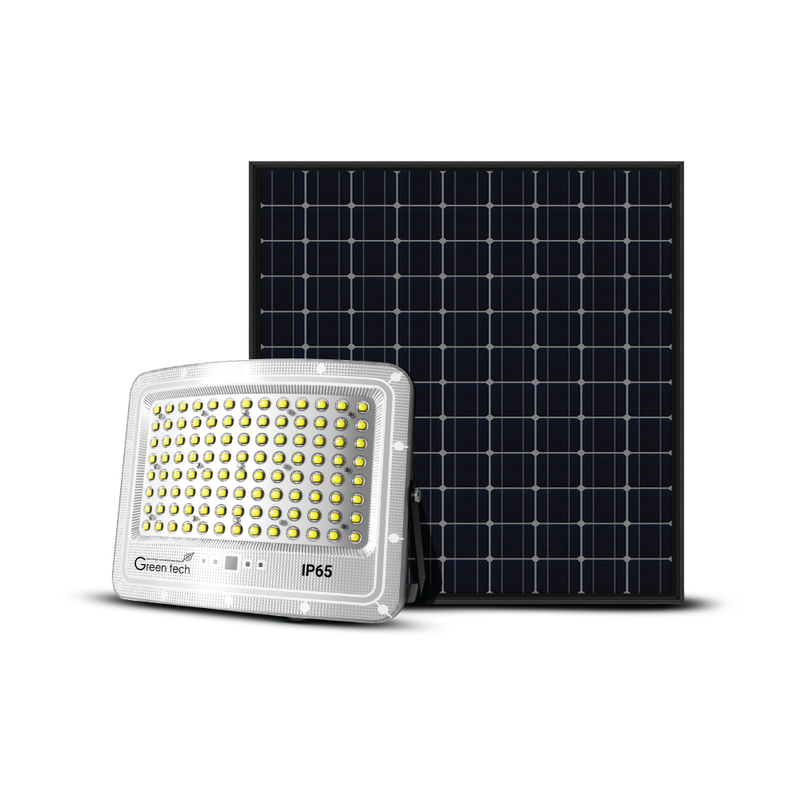
LED solarni reflektor 200W, 3CCT, IP65
- 3000 K - 4000 K - 6500 K
- ABS + PC
- 200 W
SFX-200W-3CCT Learn more
Lumens, Kelvin, IP ratings, CRI — learn what these specs actually mean and how to choose the right LED lighting for every room in your home.
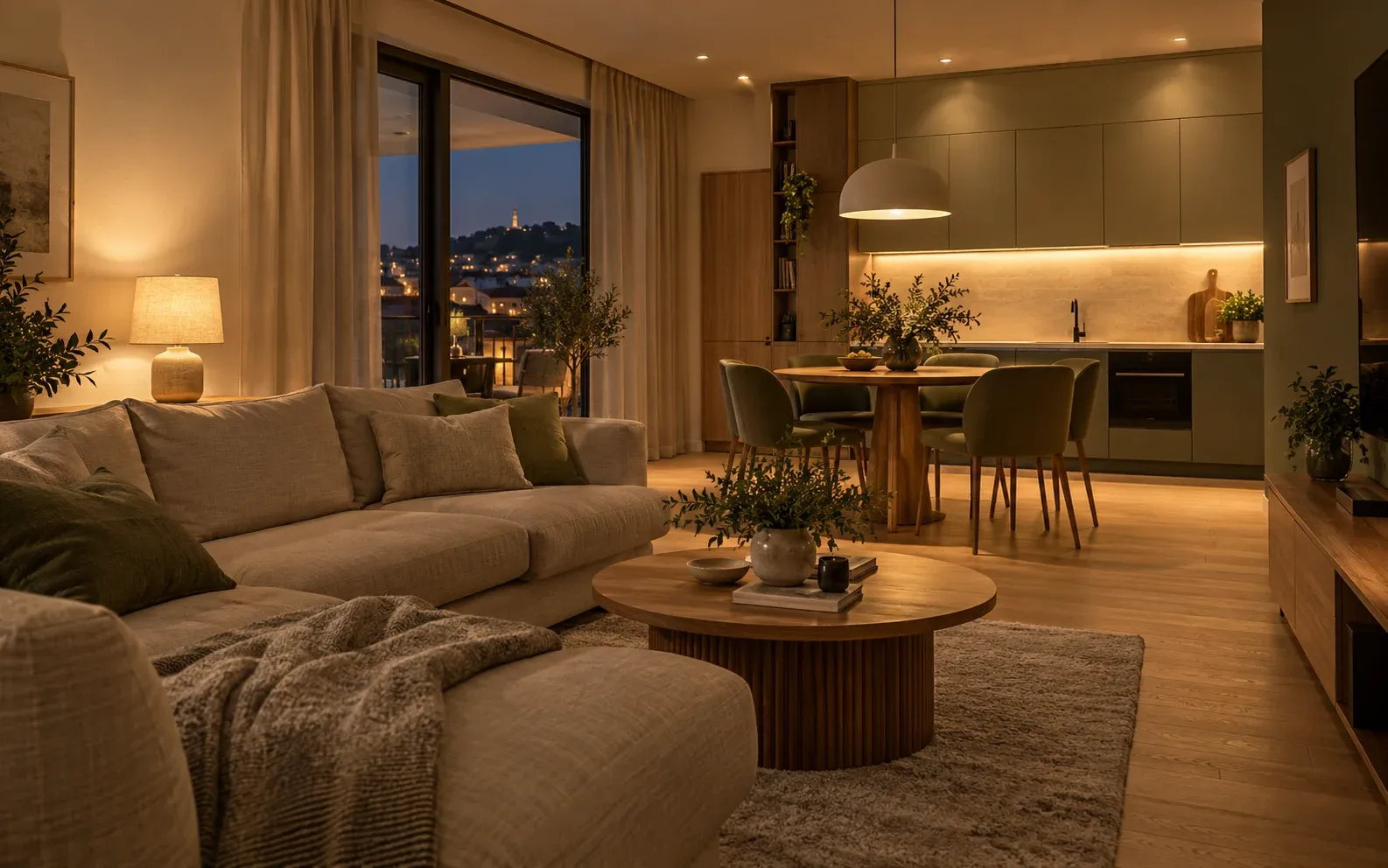
You walk into a hardware store for lightbulbs. The shelf is full of boxes covered in numbers you don't recognise. You pick something that looks roughly equivalent to what you had before — and arrive home to a cold, clinical glare that turns your living room into a waiting room. Sound familiar?
Here is the truth: knowing how to choose LED lighting for your home is genuinely straightforward once you understand a handful of specifications. This guide explains each one in plain language and tells you exactly what to look for in every room.
Browse our full LED lighting section to see current product ranges available in Bosnia & Herzegovina.
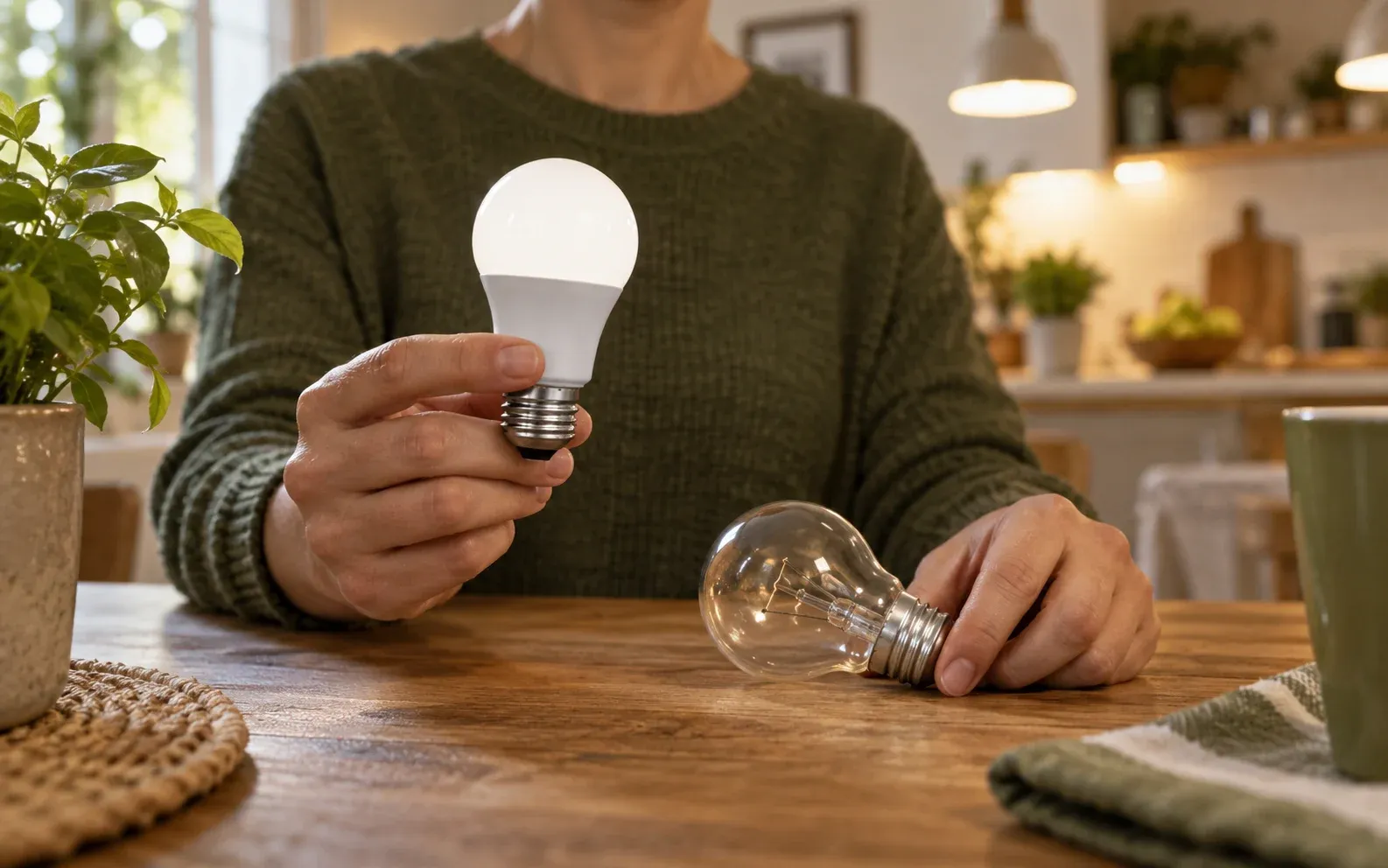
For decades we bought bulbs by wattage. More watts meant more light. That logic worked for incandescent bulbs — but LED technology works differently.
Watts (W) measure energy consumption, not light output. Lumens (lm) measure actual brightness. An 8–10 W LED produces the same amount of light as an old 60 W incandescent.
Practical rule of thumb: For general lighting in a 15 m2 room, plan for 1500–3000 lm total, distributed across multiple sources. Dark walls absorb light — you will need more sources than you might expect.
This single specification causes more bad purchases than any other. Color temperature is measured in Kelvin (K) and tells you the tone of the light — from warm amber to cool blue-white.
Warm white (2700–3000 K) creates a relaxed, welcoming atmosphere and is the right default for any room where you rest or socialise. Cool white (5000–6500 K) improves focus and colour visibility, but in a bedroom it can suppress melatonin and disrupt sleep.
For a room-by-room breakdown, read our dedicated guide: Color temperature by room — which to choose.
CRI (Color Rendering Index) scores how faithfully a light source shows the true colours of objects, on a scale from 0 to 100 (sunlight = 100).
A practical example: you dress under a CRI 70 bulb and step outside — and discover your outfit looks completely different in daylight. CRI 90+ prevents exactly that. For bathroom and vanity lighting, CRI 90+ is not a luxury; it is the sensible minimum.
IP (Ingress Protection) ratings indicate how resistant a fitting is to dust and moisture. The format is IPxx — the first digit covers solid particles, the second covers liquids.
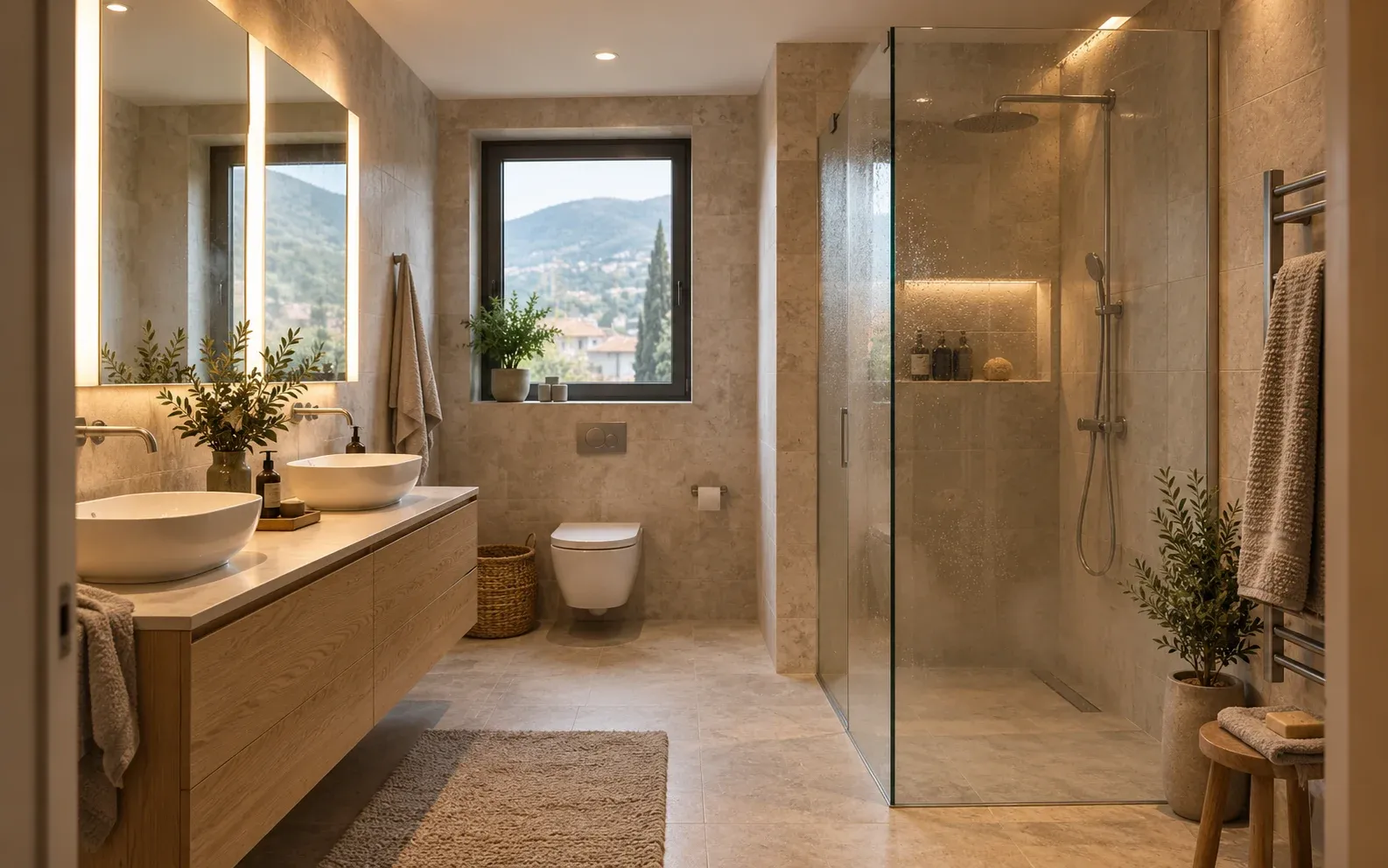
Installing a fitting with an insufficient IP rating in a wet area is not just against electrical standards — it is a genuine safety hazard. If in doubt, go one rating higher than you think you need.
For detailed guidance on bathroom specifications, see our article LED bathroom lighting: IP ratings and safety.
Dimmable LED bulbs let you adjust light intensity — full brightness for reading, a softer glow for evenings. However, not all LEDs are dimmable, and not all dimmers are LED-compatible.
What to check before buying:
When used at lower intensity levels, dimmable lighting can reduce consumption by up to 50 % — a worthwhile investment in rooms where you regularly change the mood.
LED panels replace traditional fluorescent grid fittings in both residential and commercial spaces. They produce diffuse, shadow-free illumination — ideal for kitchens, hallways, and work areas.
Common formats: 60x60 cm (for modular suspended ceilings) and 120x30 cm (for plasterboard integration). Key specifications to check:
Quality LED bulbs are rated between 15,000 and 25,000 hours of operational life. At an average of 8 hours of use per day, that translates to 5–8 years before replacement.
For perspective:
LEDs also reach full brightness instantly — no warm-up period, no flickering at startup. For a detailed breakdown of long-term energy savings, read LED vs traditional lighting — how much do you actually save.
No. The packaging must explicitly state "dimmable." A standard LED connected to a dimmer switch can flicker, buzz, or fail early. Check both the bulb and the dimmer switch for compatibility before purchasing.
A common starting point is 100–150 lm per square metre for general ambient lighting. A 20 m2 room will typically need 2000–3000 lm in total. Adjust upward for darker wall colours or higher ceilings.
2700 K — warm white. Warmer light suppresses melatonin less than cool white, making it easier to wind down and sleep naturally.
Yes. Any fitting installed in a wet zone (zones 1 and 2, near the bath or shower) requires a minimum IP44 rating, and IP65 directly above the water source. This is required under applicable electrical installation standards, not just good practice.
Between 15,000 and 25,000 hours for quality products. At 8 hours of daily use, that is 5–8 years — significantly longer than incandescent or CFL alternatives. Lower quality LEDs may fall short of their rated lifespan, so buy from reputable brands.
Now that you know what the specifications actually mean — lumens, Kelvin, IP ratings, CRI, and dimmability — the next step is finding the right product for your space.
Browse the LED lighting catalog for current models suited to homes and small commercial spaces. If you want a personalised recommendation or advice on a specific installation, contact us or find an authorised partner store near you — no obligation, just straightforward advice.