Solar floodlights and wall lights
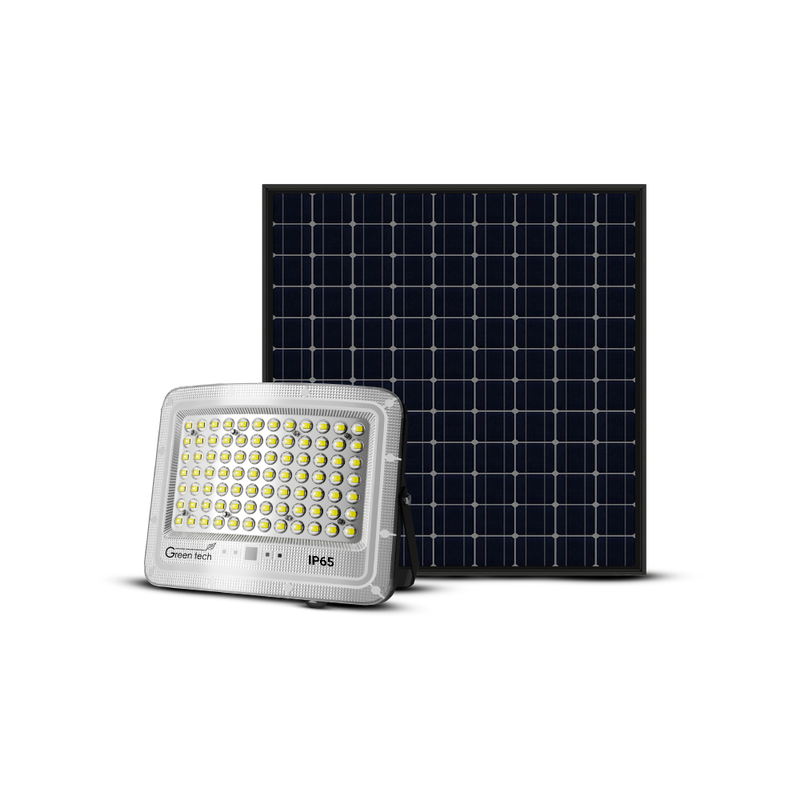
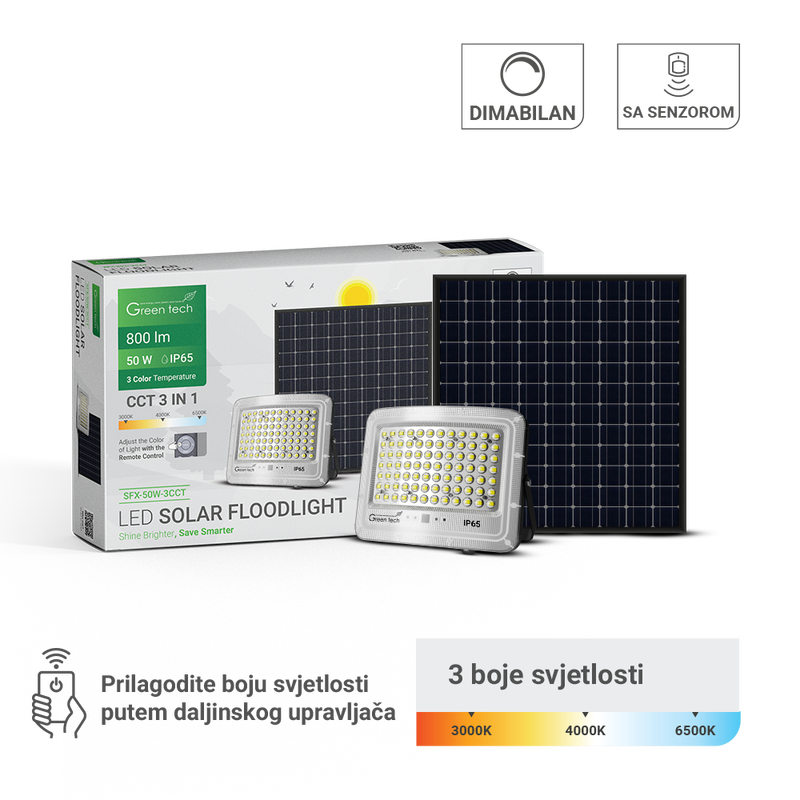
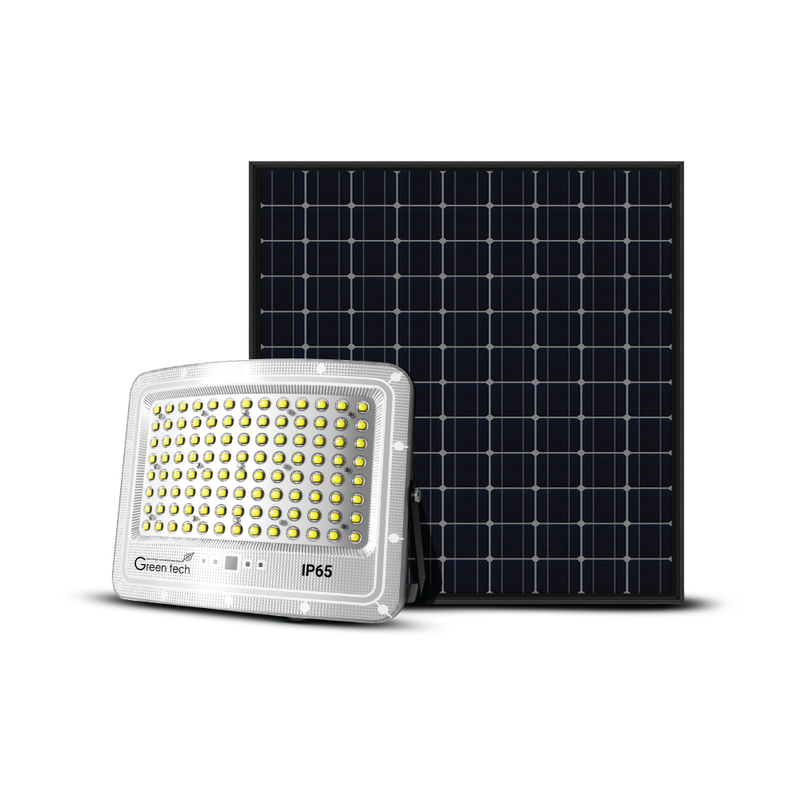
LED solarni reflektor 200W, 3CCT, IP65
- 3000 K - 4000 K - 6500 K
- ABS + PC
- 200 W
SFX-200W-3CCT Learn more
Incandescent, halogen, and fluorescent lights consume far more electricity than LED — and burn out faster. See the real numbers behind LED lighting energy savings, understand payback periods, and find out why switching is one of the easiest wins in any building.
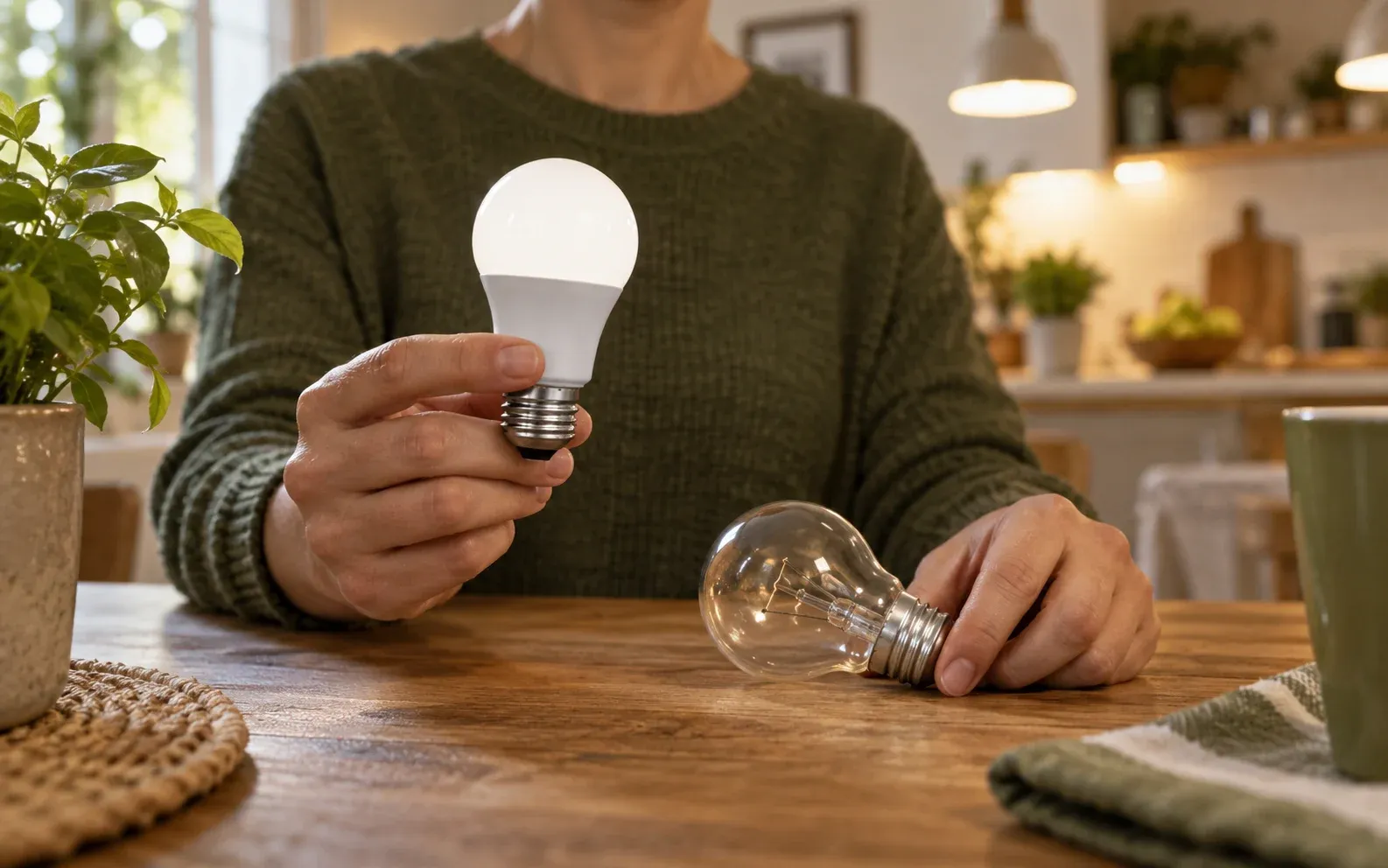
Every time you switch on a traditional halogen or incandescent bulb, most of the electrical energy you are paying for converts to heat, not light. That is not opinion — it is physics. And it is why LED vs traditional lighting energy savings are not a marketing claim but a measurable line on your electricity bill.
This article gives you the actual numbers: wattage, lifespan, lumens per watt, and a worked payback example — no invented local prices, no inflated promises.
An incandescent bulb converts only about 5–10 % of electrical energy into visible light. The rest becomes heat. Halogens improve on that, but only modestly. The standard measurement of lighting efficiency is lumens per watt (lm/W) — how much light output you get per watt consumed:
Put simply: for the same amount of light, LED requires a fraction of the electricity.
Eight hundred lumens is the output of a classic 60 W incandescent — the standard for a living room or work desk.
What this means day to day: a 9 W LED bulb produces the same or better light output as a 60 W incandescent. The difference is 51 W per bulb, every hour it is on.
Take a home with 10 bulbs running an average of 4 hours per day.
With old incandescent bulbs (10 x 60 W):
With LED bulbs (10 x 9 W):
Annual difference: ~745 kWh — roughly 85 % less energy on lighting alone. Multiply that by your electricity tariff and you have the annual saving in currency.
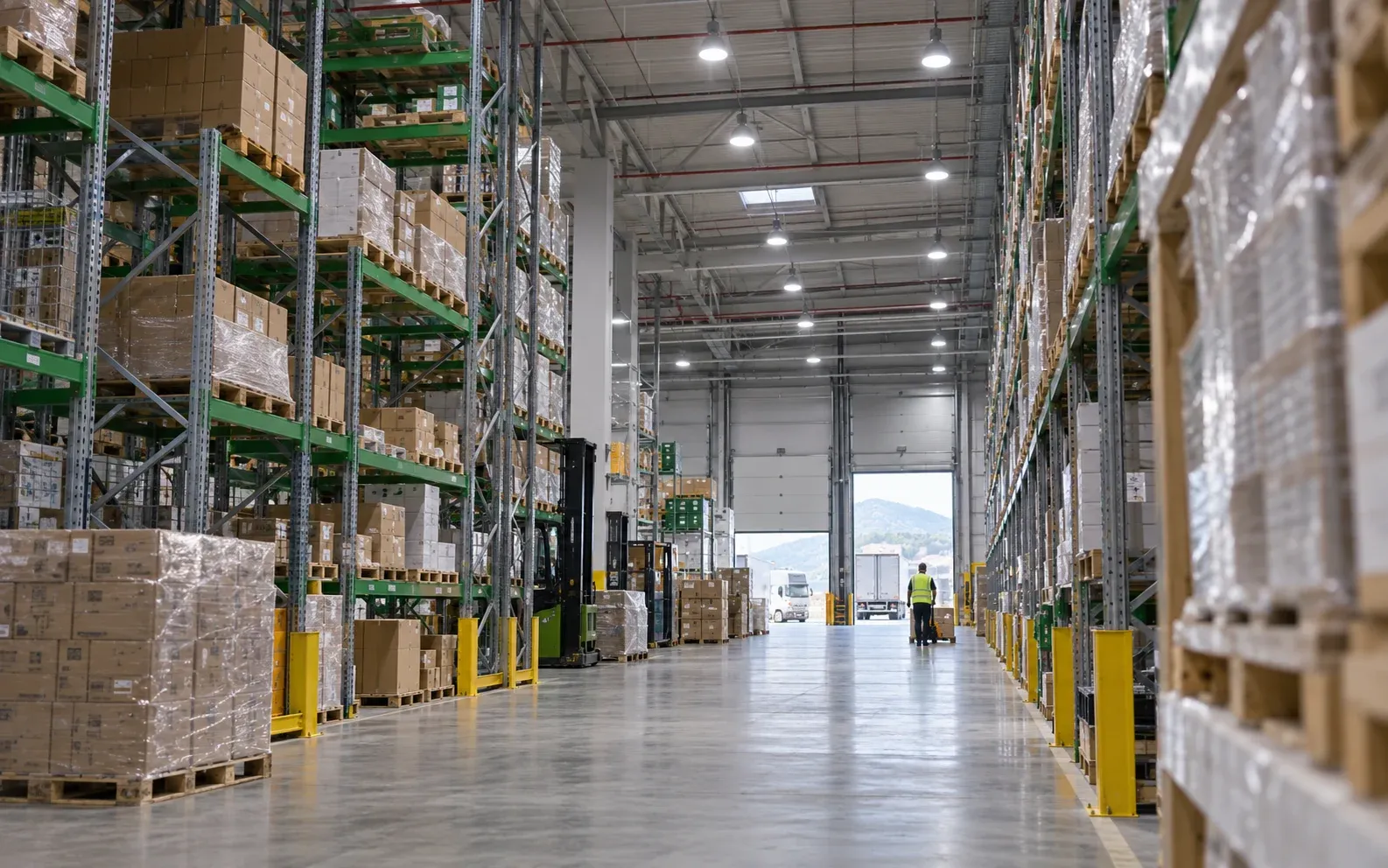
For commercial premises, warehouses, or any space with longer operating hours the gap scales proportionally. We cover that in detail in LED Lighting for Industrial Spaces and Warehouses.
LED bulbs cost more upfront than halogens or incandescents — that is a fact. But that price difference is typically recovered within 6 to 18 months, depending on:
After that payback window, every additional hour of LED operation represents a pure saving compared to what you would have spent on the alternative — and the LED keeps running. While an incandescent lasts around 1 000 hours, a quality LED bulb lasts 15 000 to 25 000 hours. That is 15 to 25 times longer.
Fewer replacements also mean lower maintenance effort and cost — especially relevant for hard-to-reach fixtures or commercial buildings.
Practical note: every month you continue running old technology is a paid delay on your return. The payback clock only starts when you make the switch.
A common concern: "LED light looks cold and clinical." That perception is rooted in early, poor-quality LED products. Modern LED is available across the full colour temperature range:
For a room-by-room guide to choosing the right colour temperature, see Light Colour Temperature Guide by Room.
LED's low power draw makes it the natural partner for solar lighting and devices. A solar panel that could barely keep a halogen running will comfortably power several LED fixtures. If you are considering autonomous or outdoor lighting, an LED plus solar setup effectively eliminates operating costs over time.
Key parameters when selecting:
For a full selection guide: How to Choose LED Lighting for Your Home.
Browse the complete LED lighting catalogue with technical specifications on the Green Tech platform.
Typical savings are 70–85 % of lighting energy consumption compared to incandescent bulbs, and 50–70 % compared to halogens. The exact figure depends on your tariff, number of bulbs, and daily operating hours.
A quality LED bulb has a rated lifespan of 15 000 to 25 000 hours. At 4 hours of use per day, that is between 10 and 17 years without a replacement.
For an average household, payback typically occurs within 6 to 18 months. For commercial spaces with longer operating hours it can be faster — often within 6 to 12 months.
In most cases, yes. LED equivalents exist for all standard cap types (E27, E14, GU10, GU5.3). Check that the cap type matches and that the lumen output meets your needs.
Yes. Modern LED products compliant with EU standards produce no harmful UV or IR radiation in normal use, contain no mercury (unlike CFLs), and do not flicker perceptibly when properly powered.
Looking for specific models from the catalogue or advice tailored to your building? Find a partner near you or reach out directly through our contact page — our team answers technical questions and helps you select the right LED solution for your space.