Solar floodlights and wall lights
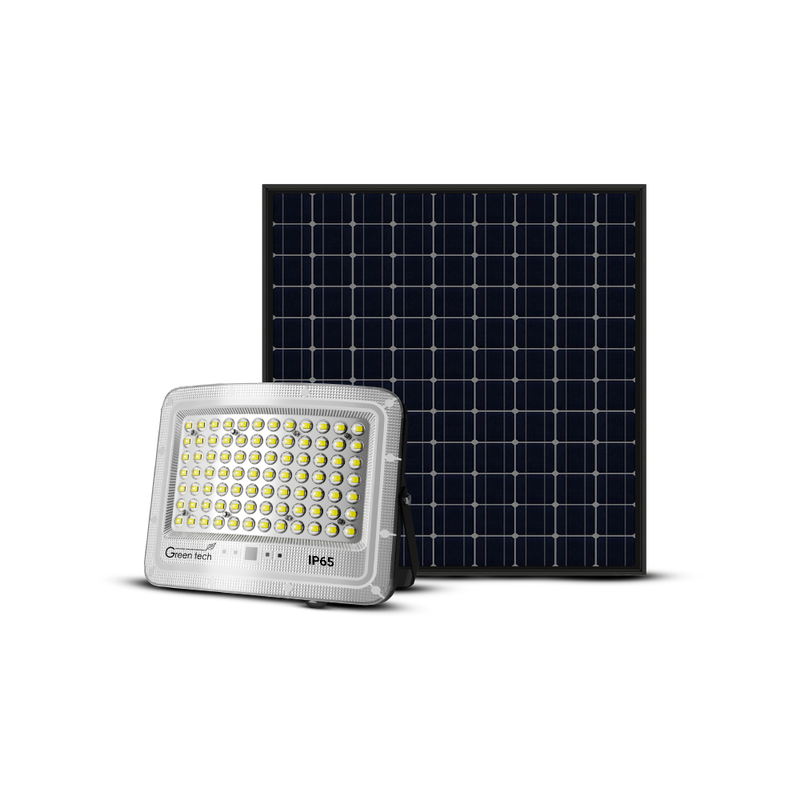
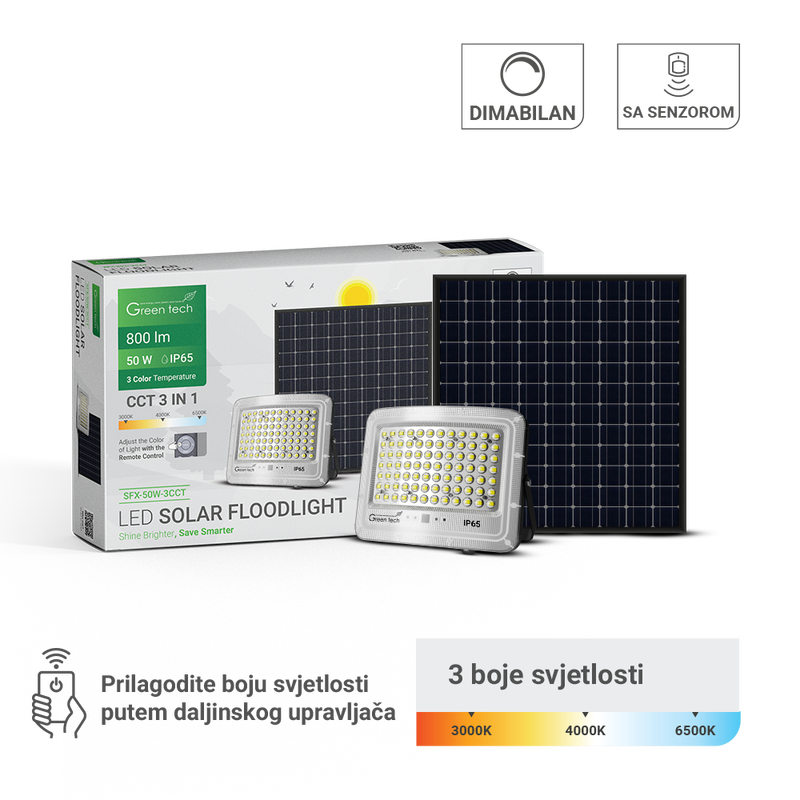
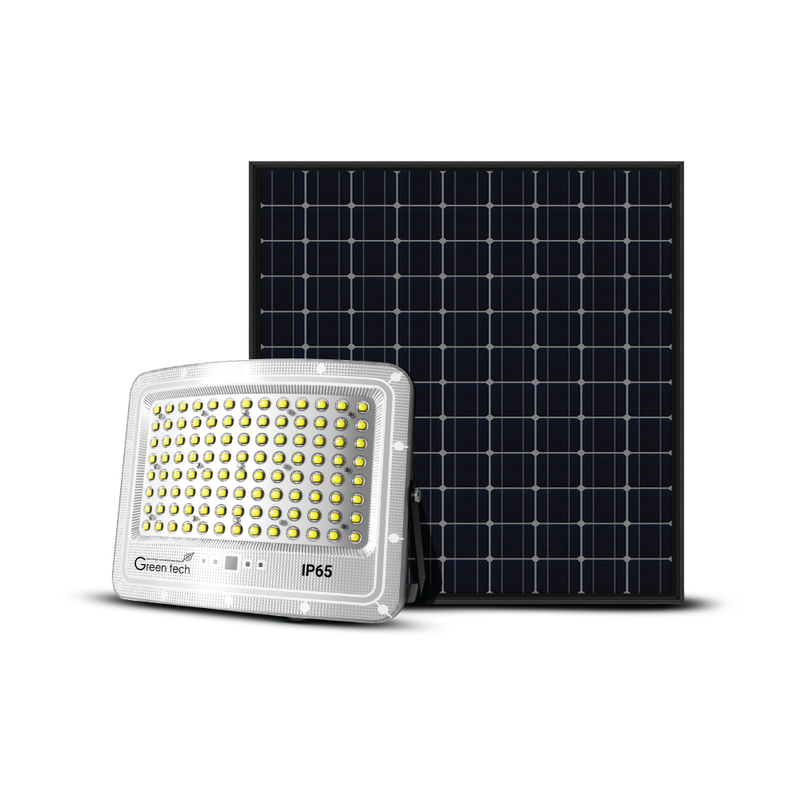
LED solarni reflektor 200W, 3CCT, IP65
- 3000 K - 4000 K - 6500 K
- ABS + PC
- 200 W
SFX-200W-3CCT Learn more
Warm, neutral, or cool white — picking the right color temperature (in Kelvin) transforms how every room feels and affects eyesight, mood, and energy use. Find out which Kelvin range suits the bedroom, kitchen, bathroom, and office.
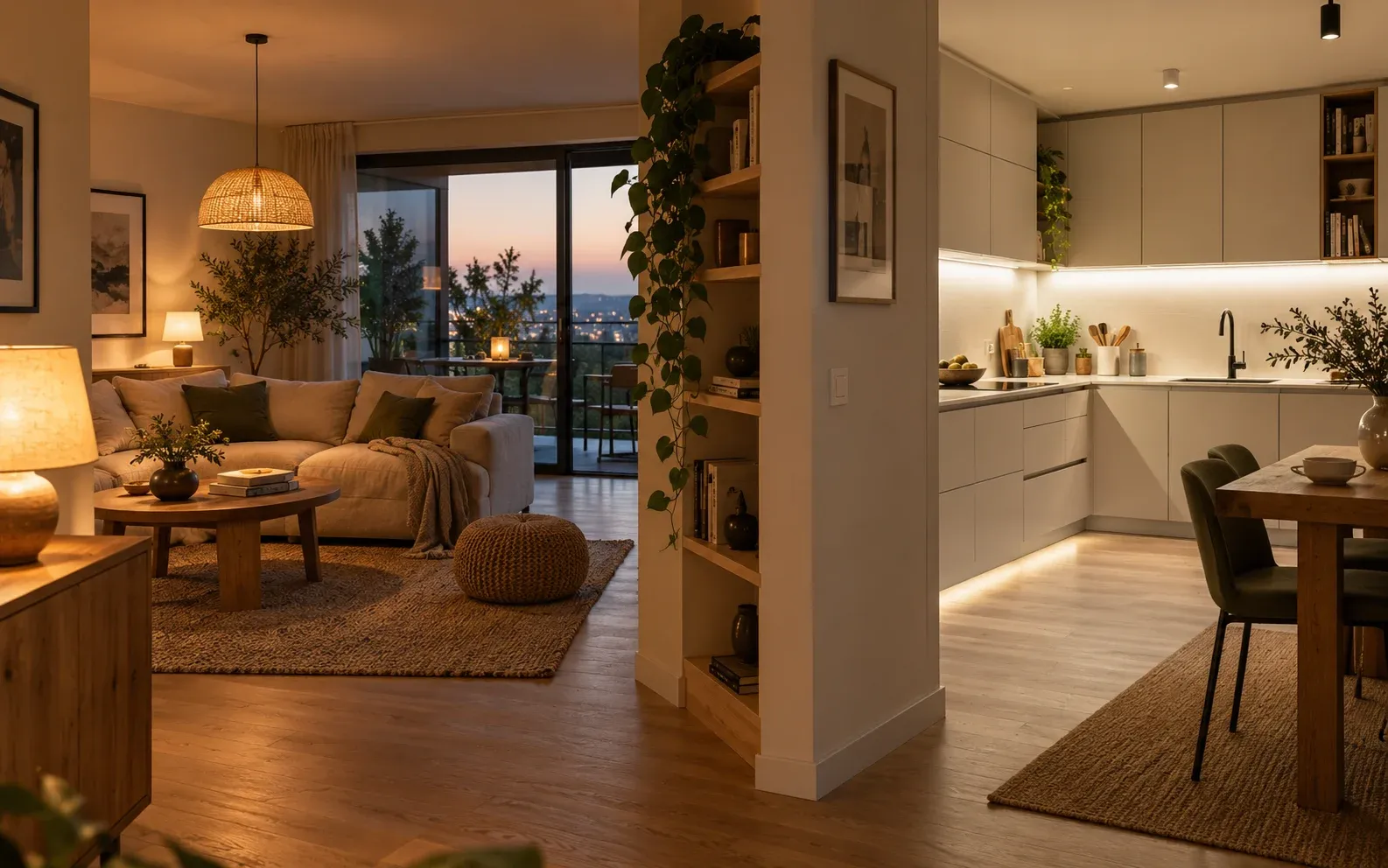
Most people choose a light bulb by wattage, socket type, and price — and then wonder why a freshly renovated room still feels off. Nine times out of ten, the culprit is color temperature: the single specification that determines whether a space feels inviting, clinical, focused, or fatiguing.
Light color temperature is measured in Kelvin (K). The higher the number, the cooler and bluer the light; the lower, the warmer and more amber. Choosing the right Kelvin range for each room is one of the highest-impact, lowest-cost decisions in any lighting project.
This guide covers every major room type, explains the role of CRI alongside Kelvin, and gives you a ready-to-use reference table. For a broader overview of LED selection, see our complete guide to choosing LED lighting for your home.
None of these is universally "correct." The right choice depends on what a room needs to do — and who will be in it, and when.
Color Rendering Index (CRI, scale 0–100) measures how accurately a light source reproduces the true colors of objects compared to natural sunlight (CRI 100). A warm-white LED at 2700 K with CRI 75 can make fresh vegetables look dull and unappealing. The same 2700 K with CRI 95 renders those vegetables vivid and naturally colored.
Recommended minimums:
When comparing LED fixtures, always check both the Kelvin value and the CRI. A high-CRI fixture at a slightly different Kelvin is usually a better choice than a low-CRI fixture at the "ideal" Kelvin.
The bedroom has one non-negotiable job in the evening: prepare your brain for sleep. Blue-spectrum light — dominant above 4000 K — suppresses melatonin secretion and delays the onset of sleep. This is not marketing language; it is established circadian biology.
Use 2700 K, CRI ≥ 80 as the primary ceiling or wall fixture, paired with a dimmer. If you read in bed, consider a directional bedside lamp at 3000 K rather than raising the temperature of the whole room. For the few minutes just before sleeping, 2200 K is even better if the fixture supports it.
Avoid cool-white or daylight LEDs in the bedroom — particularly on smart bulbs set to "energize" mode that may accidentally activate at night.
The kitchen is the one room where a single color temperature genuinely cannot do all the jobs well. Splitting it into two zones solves the problem completely:
Work zone (countertop, hob, island): 4000–4500 K, CRI ≥ 90. You need to see whether chicken is cooked through, whether a tomato is ripe, and where your knife is going. Neutral to cool-neutral light provides the contrast and color accuracy that task work demands.
Dining area: 2700–3000 K. Food is scientifically proven to look more appetizing under warm light — restaurants have known this for decades. A pendant over the table at 2700 K, on a dimmer, transforms a functional eating area into an inviting one.
The same principle applies to the bathroom. Read our LED bathroom lighting and IP rating guide for fixture recommendations in wet zones.
Getting ready in the bathroom means evaluating your actual appearance — skin tone, makeup, shaving accuracy. Warm white (2700 K) adds a yellow cast that flatters in a cozy way but misleads. Cool white (6500 K) turns everything clinical and makes skin look ashen.
The practical sweet spot is 3500–4000 K, CRI ≥ 90: neutral enough to show true skin tones, warm enough not to feel cold.
Fixture placement matters as much as color temperature. A single ceiling downlight behind your head creates unflattering shadows. Side-mounted or mirror-integrated lighting at eye level eliminates that problem. Since bathrooms are wet zones, verify the IP rating of any fixture near the shower or bathtub — covered in full in our bathroom lighting guide.
Concentration, reduced eye fatigue, and sustained alertness are the goals. Research into cognitive performance consistently shows that neutral to cool-neutral light (4000–5000 K) supports focus tasks better than warm light, which triggers a more relaxed state.
4000 K, CRI ≥ 85 works well for most home offices. Add a small warm-white desk lamp for short breaks — the contrast helps signal rest, then return to focus. Avoid 6500 K in a home office unless it is a workshop or studio; the harshness becomes fatiguing over an eight-hour day.
For industrial settings — warehouses, production halls, logistics centers — higher Kelvin values are both appropriate and recommended. See our guide to industrial LED lighting for warehouses and halls for fixture specifications and lux-level planning.
The living room hosts film nights, dinner parties, reading sessions, and lazy Sunday mornings. No fixed Kelvin serves all of these equally well. The most practical solution is dimmable LED fixtures that can be set anywhere from 2700 K to 4000 K — either via a tunable-white driver or by grouping separate warm and neutral circuits on independent dimmers.
Typical settings in practice:
Running dimmable LEDs at reduced intensity also lowers energy consumption proportionally, which adds up over thousands of hours of use.
Next time you select a fixture or LED bulb, confirm three data points on the packaging or spec sheet:
Wattage alone tells you nothing useful about LED brightness — that era ended with halogen. Lumens (lm) is the only meaningful brightness unit for LED sources.
Browse the full range of LED panels, downlights, strip profiles, and industrial luminaires in our LED lighting catalog.
2700 K (warm white) is the recommended choice for bedrooms, with CRI ≥ 80. This range minimizes the blue-spectrum component that suppresses melatonin and interferes with sleep onset. Avoid 5000 K and above in bedrooms, particularly in the evening hours.
Yes — 4000 K neutral white is well-suited to the kitchen work zone (counter, hob, island) because it provides accurate color rendering for food preparation tasks. For the dining area within the same kitchen, step down to 2700–3000 K: food genuinely looks more appetizing under warm light.
CRI 90 (or Ra 90) means the light source reproduces colors with 90% fidelity compared to natural sunlight (CRI 100). For residential spaces, CRI 80 is the acceptable minimum; for kitchens, bathrooms, and task areas, CRI ≥ 90 is the practical standard.
You can, but you sacrifice the benefit of lighting that supports each room's purpose. A whole-home approach of 4000 K everywhere works tidily but misses the relaxation cue of a warm-white bedroom or the appetite-enhancing effect of warm light over a dining table. Warm white in sleeping areas, neutral white in kitchens and offices — that simple split makes a measurable difference.
The 3800 K gap between warm white (2700 K) and cool daylight (6500 K) is immediately visible to the naked eye. Practical reference points: 2700 K resembles a sunset or a halogen lamp; 4000 K resembles modern office fluorescent; 6500 K resembles an overcast midday sky. Side by side in the same room, the contrast is striking.
Have questions about LED lighting for your home, business, or commercial project? Contact our team or find an authorized partner store near you — our specialists are available for a free consultation to help you choose the right fixtures and color temperatures for every space.